
How do you use the map?
Clicking a city on the map opens a short card: population, average transaction price for an existing apartment, rent, the state's transfer tax and the city's classification. From the card you go to the full city page, which has neighborhoods, economy, advantages, what to check and a numerical example. The regions (Bavaria, NRW and eastern Germany) are marked as a layer, because transfer tax and rental rules are set at state level and not at city level.
Two things are worth remembering when you compare. First: population figures come from different sources. Some cities publish a residents' register, and some states publish an official figure based on the 2022 census, which is sometimes lower by tens of thousands. Second: the rent in the table is of different types. In some cities the current figure is the Mietspiegel, the average of existing contracts, and in others the figure is the asking rent for a new letting. For each row we noted what the figure is.
Comparison table: cities to invest in in Germany
| City | Population | Transaction price, existing apartment | Average rent (type) | Transfer tax | Classification |
|---|---|---|---|---|---|
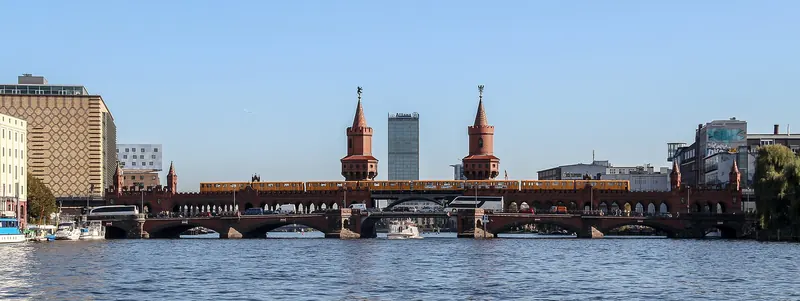
| Berlin | 3,685,265 (IBB, 2024) | 4,751 euro per sq m | 7.71 (Mietspiegel 2026) · 15.78 asking (2024) | 6% | A |
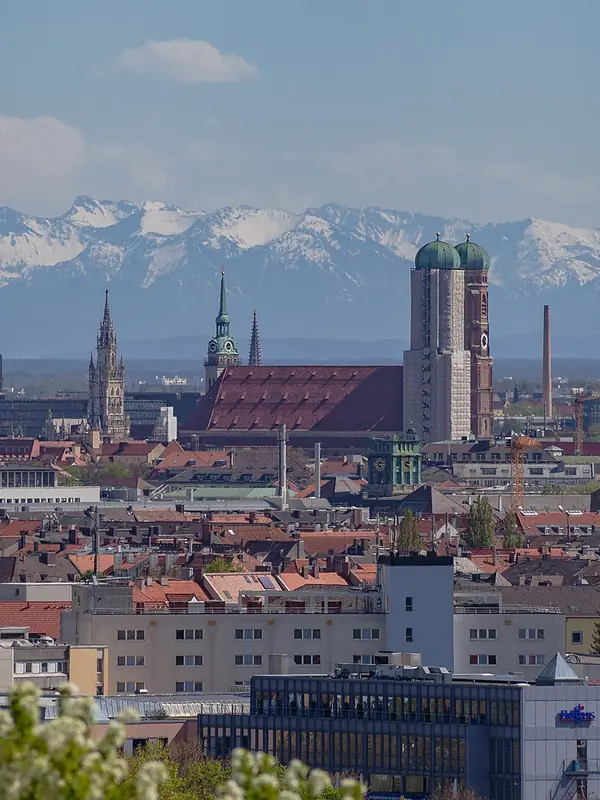
| Munich | 1,612,429 (the city, 2025) | 8,150 euro per sq m | 15.38 (Mietspiegel 2025) | 3.5% | A |
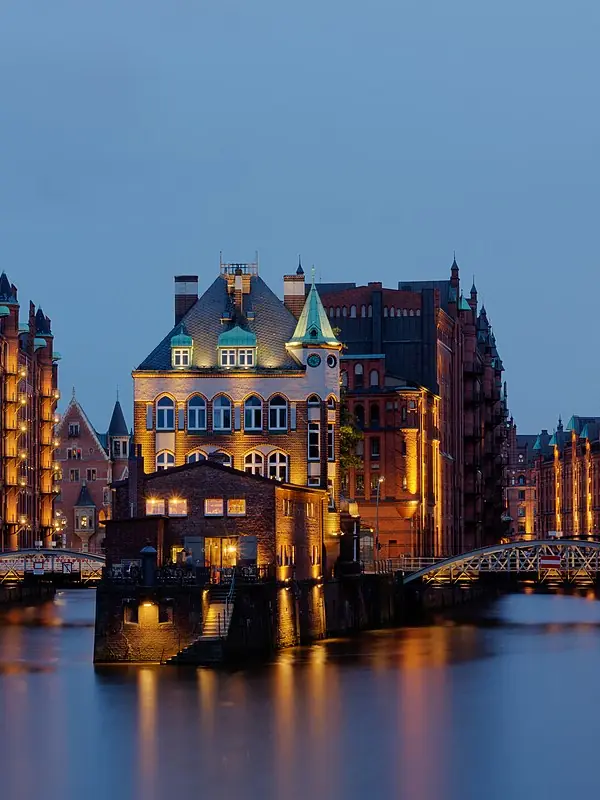
| Hamburg | 1,869,473 (Statistikamt Nord, 2025) | 5,761 euro per sq m | 9.94 (Mietenspiegel 2025) | 5.5% | A |
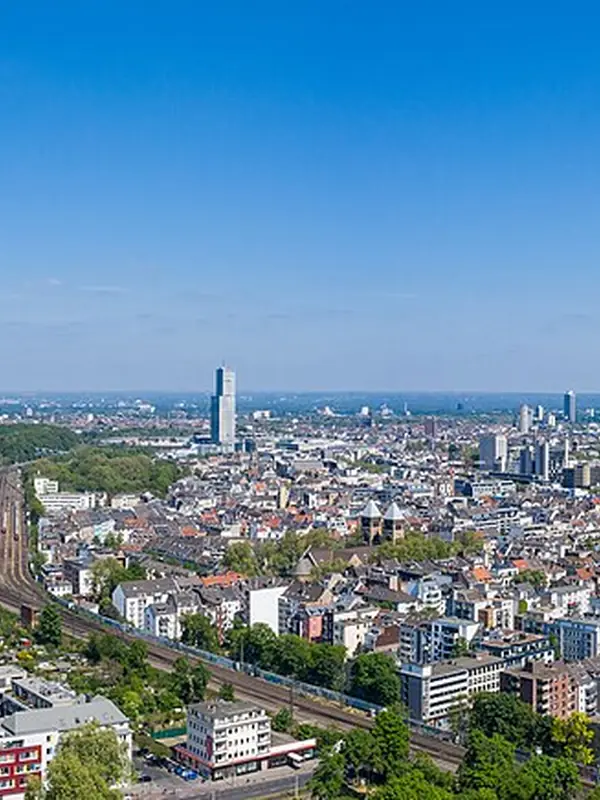
| Cologne | 1,024,621 (IT.NRW, 2024) | 4,407 euro per sq m | 14.70 asking (2025) | 6.5% | A |
| Düsseldorf | 618,685 (IT.NRW, 2024) | 4,244 euro per sq m | 13.00 asking (2024) | 6.5% | A |
| Stuttgart | 606,682 (the city, 06/2025) | 4,240 euro per sq m | 11.15 (Mietspiegel 2025/26) | 5% | A |
| Leipzig | 630,757 (the city, 09/2026) | about 2,720 euro per sq m (asking/estimated, IIB, 2024) | 8.80 median, existing buildings (IIB, 2024) | 5.5% | B |
| Dresden | 571,510 (city register, 2025, preliminary) | about 2,705 euro per sq m (valuation committee, 2025, preliminary) | 7.33 (Mietspiegel 2025) | 5.5% | B |
| Nuremberg | 530,133 (Bavarian State Office, 06/2025) | range 1,800–6,800 euro per sq m (valuation committee, 2025) | 10.33 (Mietenspiegel 2026) | 3.5% | B |
| Duisburg | 502,270 (IT.NRW, 2024) | about 1,837 euro per sq m asking (NRW.BANK, 2024) | 7.71 asking (NRW.BANK, 2024) | 6.5% | |
| Herne | 155,851 (IT.NRW, 2024) | about 1,667 euro per sq m asking (NRW.BANK, 2024) | 7.50 asking (NRW.BANK, 2024) | 6.5% | |
| Bayreuth | 72,717 (Bavarian State Office, 06/2025) | 3.5% | |||
| Hof | 46,624 (Bavarian State Office, 12/2025) | about 1,700 euro per sq m (Bavarian Ministry of Housing, 2025) | about 7.1 asking, Hof district (BBSR, 2025) | 3.5% | |
| Münchberg, Helmbrechts | 9,884 and 8,033 (Bavarian State Office, 12/2025) | about 7.1 asking, Hof district (BBSR, 2025) | 3.5% | Outside the classification | |
| Black Forest (region) | Not relevant | Varies by town | Seasonal | 5% | Tourist region |
Transaction prices in the six A cities are averages for 2025 from the "BIG 7" comparison by the Stuttgart valuation committee, which is based on recorded transactions and not on listings. Transfer tax rates follow the table of states, and in Bavaria follow the German real estate transfer tax act. Data for cities outside the big seven comes from different sources and different years, some of it asking prices and not transaction prices, so it suits a general comparison. The full source appears on each city page. The A–D classification is the one common in the German market (A cities are the big seven). We will fill in the cells marked when official data is published, and not before.
What do A, B and C cities mean?
A cities are the large markets: they have many transactions, so it is relatively easy to buy and sell, and they offer stability and long-term value retention. In a simple calculation of rent against price, most A cities in the table give 2% to 4% gross a year. B and C cities offer a lower entry price, and usually a higher gross yield. In small cities it is worth choosing a property by rental demand on the street and in the neighborhood, and planning the holding horizon already on the day of purchase. The full explanation is in the guide to A, B and C cities, and the comparison between a big and a small city is in big city vs small town.
Want to check whether this suits you?
Book an intro callThe cities and regions on the map
A cities
- Real estate in Berlin: The capital and Germany's deep market. 3.68 million residents, high rental demand and a price lower than Munich.
- Real estate in Munich: The most expensive city in Germany. Long-term value retention, a diverse economy and transfer tax of 3.5%.
- Real estate in Hamburg: A port city with a strong economy, about 1.87 million residents and transfer tax of 5.5%.
- Real estate in Cologne: The big city of NRW. A good ratio between price and rent and a large number of students. Transfer tax in NRW is 6.5%.
- Real estate in Düsseldorf: The capital of NRW and a city of headquarters. An unusual concentration of jobs and tenants with high incomes.
- Real estate in Stuttgart: The car city. An automotive industry, high employment and the lowest existing-apartment price among the A cities.
Growing cities and mid-sized cities
- Leipzig: The growing city in the east, with more than 630 thousand residents and prices lower than Berlin.
- Dresden: The capital of Saxony, a chip industry and a technical university.
- Nuremberg: The second city of Bavaria. Prices lower than Munich with the same transfer tax of 3.5%.
Small cities and low-cost entry
- Duisburg: Low entry prices in the Ruhr, in a city of about 502 thousand residents.
- Herne: Whole buildings at a relatively low price, in the heart of the Ruhr area.
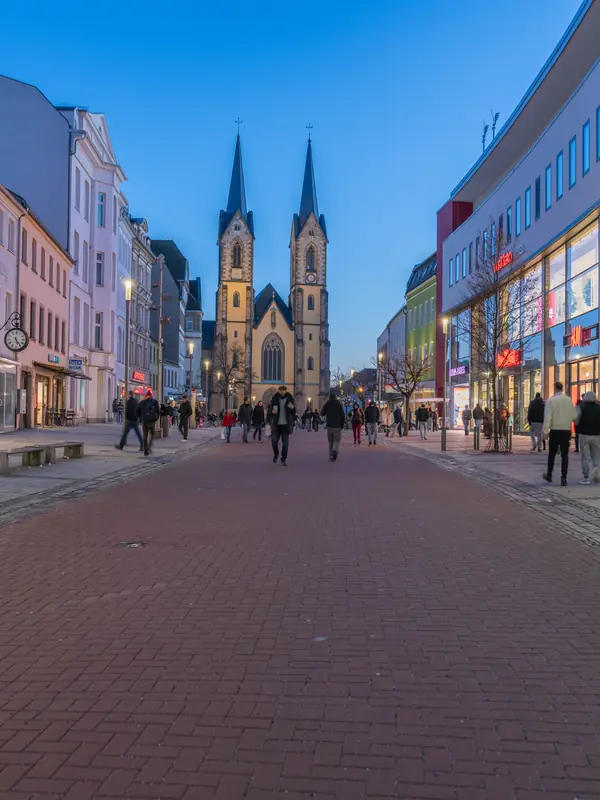
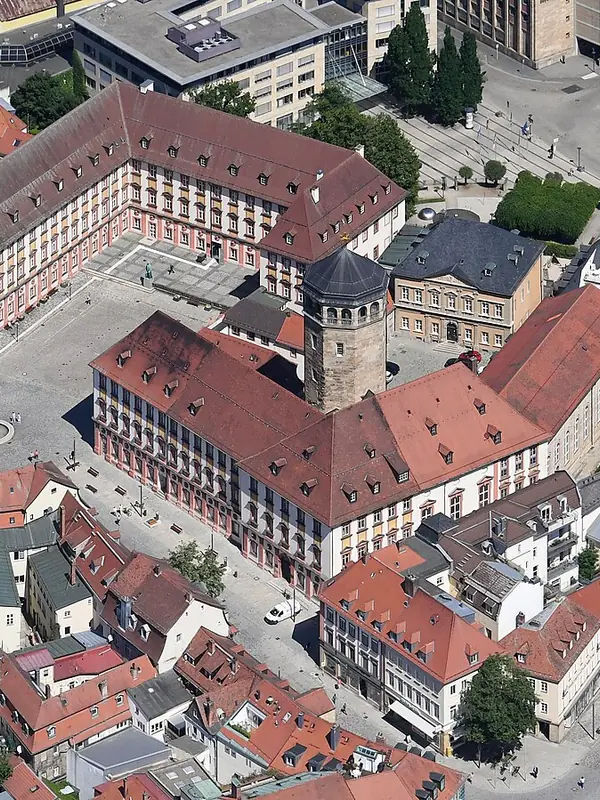
- Bayreuth: A university city in northern Bavaria.
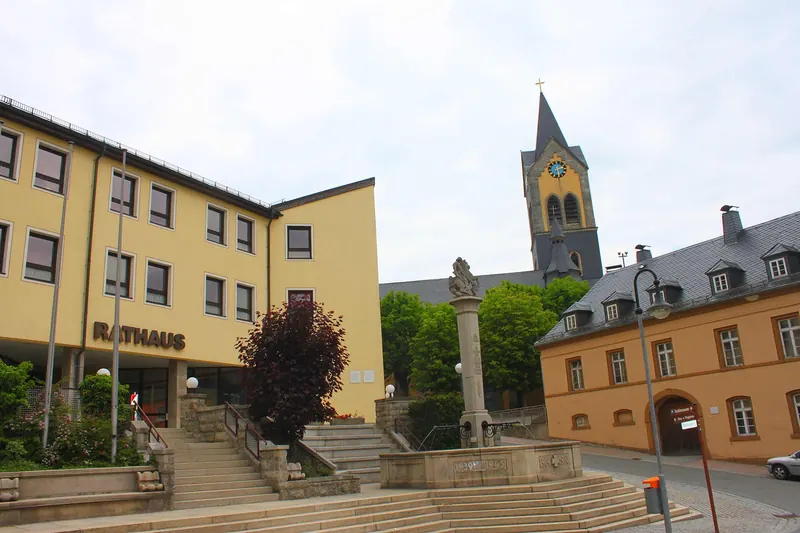
- Hof: Accessible entry in northeastern Bavaria, a regional center with a university, and the area where we operate.
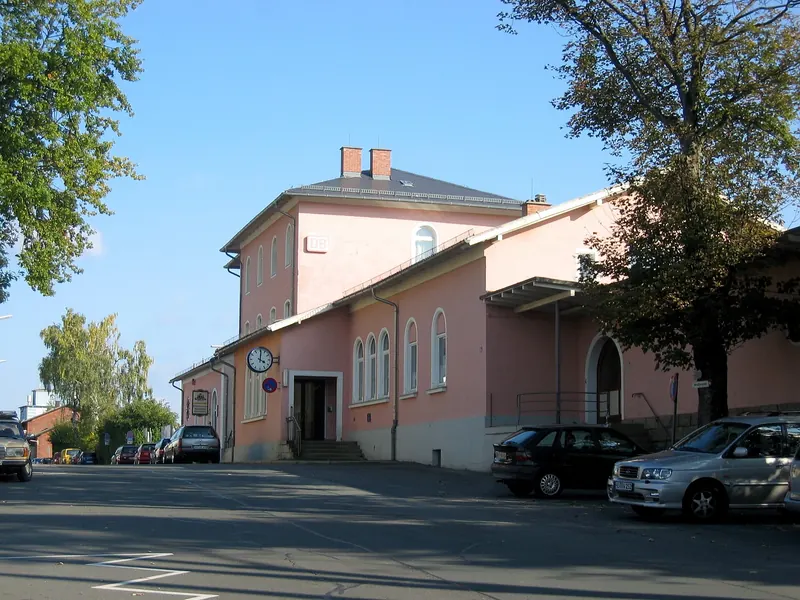
- Münchberg and Helmbrechts: Towns in the Hof area, small properties at accessible entry prices, near our office in Germany.
- The Black Forest: Vacation and tourism properties in Baden-Württemberg, a well-known tourist region. It is worth checking the short-term rental rules in each town.
Regions
- Real estate in Bavaria: Transfer tax of 3.5%, from Munich and its value retention to the entry prices of Hof.
- Investing in NRW: The most populous state in Germany, from Cologne and Düsseldorf to the cities of the Ruhr. Transfer tax 6.5%.
- Investing in eastern Germany: Growing cities such as Leipzig and Dresden, and how to choose between them.
How do you choose a city? Four questions first
- What is the goal? Monthly income, value retention or a mix. Munich and Hamburg suit value retention, small cities suit ongoing income, and Cologne and Düsseldorf are in the middle.
- How much capital is there? The same sum buys one apartment in Munich or several apartments in a small city. Several properties give diversification, and a local management company takes care of them for you.
- When will you want to exit? In a big city there are more buyers. In a small city it is worth planning the holding horizon already on the day of purchase.
- Which rental rules apply? The rent brake applies in all the A cities in the table, and in Berlin the rules are especially detailed. In Bavaria outside the big cities, such as in Hof, there is no rent brake.
What to check when choosing a city in Germany
- Check more than price per sq m. Rental demand, employers, a university and transport affect occupancy no less than price.
- Compare rent of the same type. In a rented apartment the existing contract decides, and in a new letting the asking rent decides.
- Calculate transfer tax in advance. The difference between 3.5% and 6.5% on a 300,000 euro apartment is 9,000 euros, out of your own capital.
- Check the neighborhood and not only the city average. In every city in the table there are neighborhoods where the price is double the average, and neighborhoods where it is half of it.
