Region · Federal state
BavariaInvesting in Bavarian real estate: 3.5% transfer tax, from Munich to Hof
Investing in Bavarian real estate offers a rare combination in Germany: a transfer tax of 3.5%, the federal base rate, in a state with unemployment far below the national average. "Bavaria" is several markets, and each has its own advantage. A second-hand apartment in Munich sold in 2025 for an average of 7,900 euros per sq m, and in the city of Hof in the north of the state for 1,700 euros per sq m, so in the same state, with the same transfer tax, you can choose between value retention and an accessible entry price (Bavarian Ministry of Housing, 2026).
Video
Bavaria in one minute
Investing in Bavaria: the figures, what to check and common questions, in a short video. All details and sources are in the text below.
No narration, background music only. The video does not play by itself.
In brief
- Transfer tax (Grunderwerbsteuer) in Bavaria: 3.5%, the base rate in the federal law. In most other states 5%–6.5%.
- 13,245,503 residents at the end of 2025, the second largest state in Germany (Bavarian State Office for Statistics).
- Second-hand apartment price: 3,600 euros per sq m on average in Bavaria, 7,900 in Munich, 1,700 in Hof (2025).
- Asking rent: 14.42 euros per sq m on average, 21.44 in Munich, about 7 euros in Hof and the Hof district (BBSR, 2025).
- The south offers stability and long-term value retention, the north offers an accessible entry price and higher ongoing yield.
Why here
Why is Bavaria of interest to Israeli investors?
Bavaria (Bayern, hence our brand name) is the largest state in Germany by area and one of the wealthiest. Three things set it apart in the eyes of an investor from abroad: the low transfer tax, a broad economy that does not depend on one industry, and an internal price gap that lets you choose between value retention in Munich and a higher ongoing yield in the north.
The real "job" of the Israeli investor is not "to buy an apartment in Bavaria", but to build a quiet income in euros outside Israel. The question is which part of Bavaria does this better for you: Munich, where there is almost no difficulty finding a tenant and value holds over time, or northern Bavaria, where every euro buys more square meters and produces more ongoing income, with a check of every street and building.
In numbers
Key data: Bavaria in numbers
- Population13,245,503Bavarian State Office for Statistics, 31.12.2025
- Transfer tax3.5%Federal real estate transfer tax act, in force 2026
- Average price, second-hand apartment3,600 euros per sq mImmobilienmarktbericht Bayern 2026 (2025 data)
- Average price, new apartment7,400 euros per sq mSame
- Asking rent (average)14.42 euros per sq mBBSR, 2025
- Real estate transactions142,712 (+11.8% from 2024)Bavarian Ministry of Housing, 2025
- Unemployment4.0% vs 6.3% in Germanyvbw, based on Federal Employment Agency data, 2025
The transaction figure matters no less than the price: the number of transactions in Bavaria rose in 2025 by almost 12%, and prices "stabilized at different levels by region", in the words of the Ministry of Housing. A market with more transactions is a market where it is also easier to sell in the future.
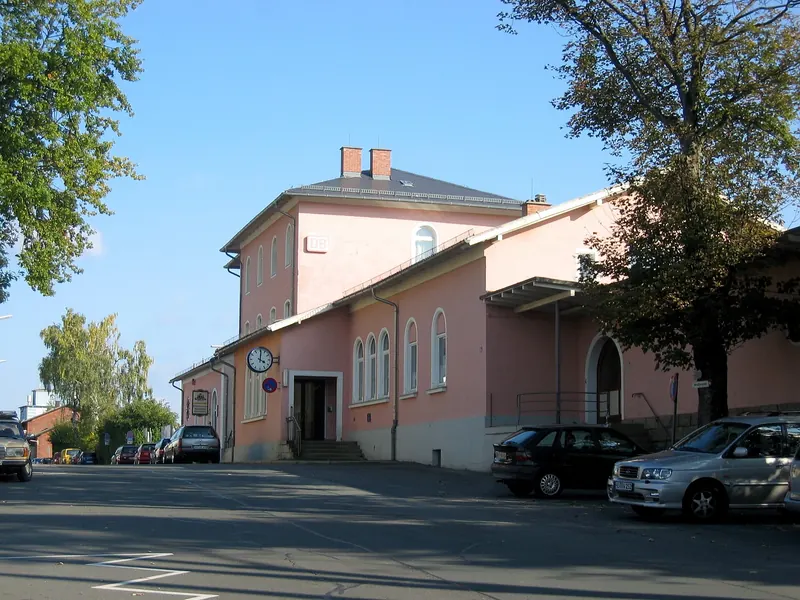
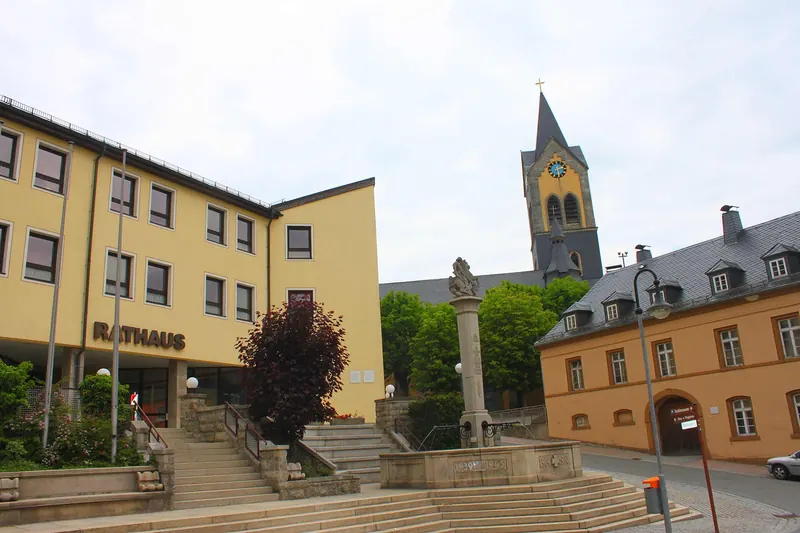
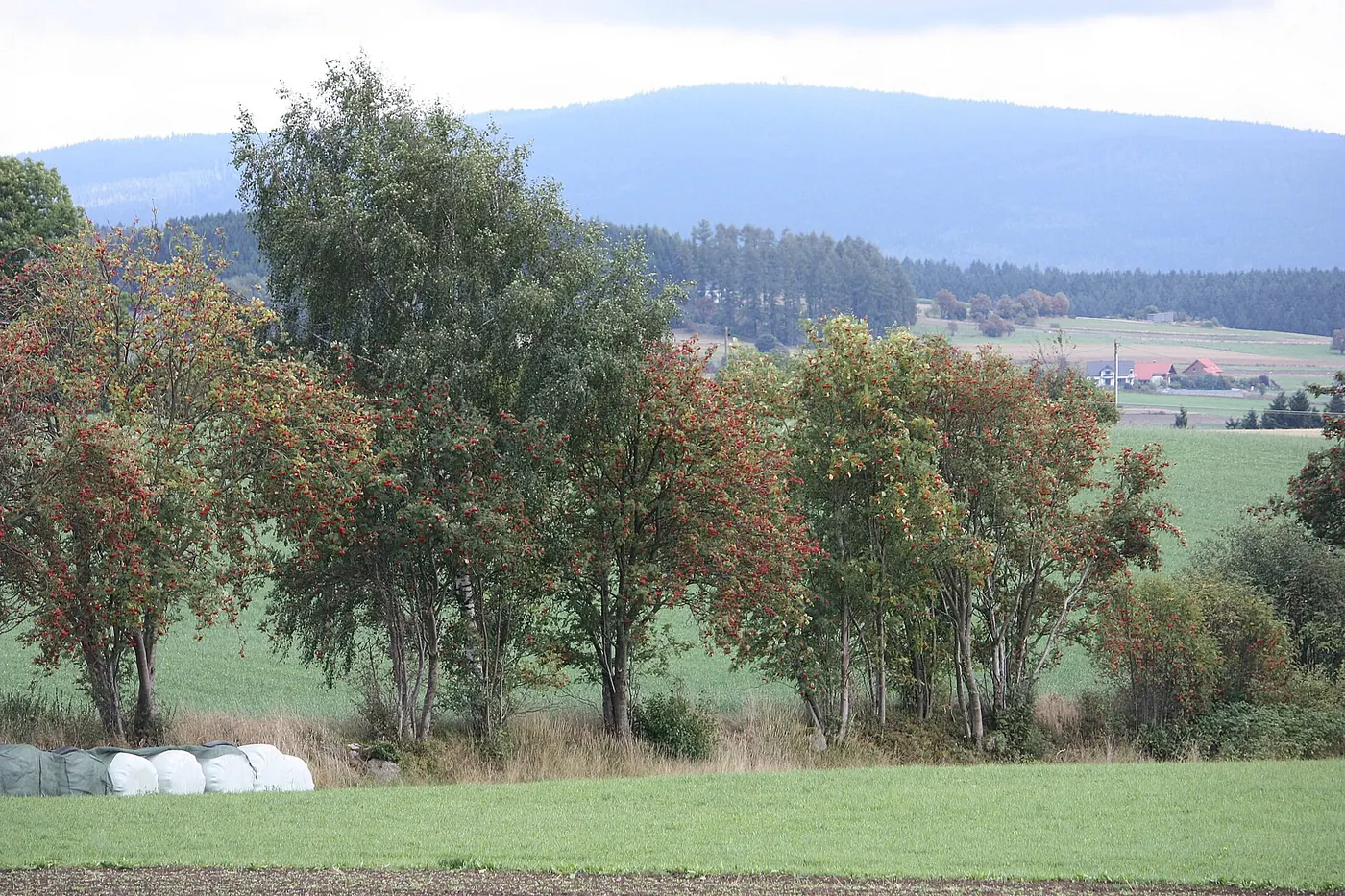
How much is transfer tax in Bavaria?
Transfer tax in Germany is set in the federal real estate transfer tax act (Grunderwerbsteuer) at 3.5%, and since 2006 each state may set its own rate. Bavaria has kept the base rate, as of November 2026. For comparison: in NRW and Brandenburg 6.5%, in Berlin 6%, and in Baden-Württemberg 5% (table of states, 2026; verify with each finance ministry before buying).
A numerical example. Assumptions: an apartment at 200,000 euros, an exchange rate of 4 ₪ per euro (an assumption for the calculation only, not a current rate).
| Bavaria (3.5%) | NRW (6.5%) | |
|---|---|---|
| Transfer tax | 7,000 euros | 13,000 euros |
| In shekels (by the assumption) | 28,000 ₪ | 52,000 ₪ |
| Difference | 6,000 euros (24,000 ₪) |
6,000 euros is almost a year of net rent on such an apartment in northern Bavaria. But transfer tax is only one component. Notary, registration in the land register (Grundbuch) and brokerage add more, and in the guide to closing costs we detailed all of them. And for how the tax fits with tax on rent and capital gains, see German real estate taxation.
Want to check whether this suits you?
Book an intro callEconomy and employment: what does demand rest on?
Bavaria's output in 2025 stood at about 824 billion euros, more than that of entire European countries. The base is broad: automotive and machinery industry, insurance and finance, technology and tourism. The unemployment rate, 4.0% on average in 2025, is far below the national average.
Demand is spread across the state. In Munich and its surroundings are the headquarters of automotive, insurance and technology companies, in Nuremberg and Erlangen industry and universities, and in the north of the state logistics along the main routes, mid-sized industry, hospitals and colleges. In the Hof district the unemployment rate in October 2026 stood at 4.4%, below the national average.
Munich vs northern Bavaria: how big is the gap?
This is the figure that matters most to understand before choosing a city. The Bavarian Ministry of Housing publishes the price range in the state every year, and the 2025 range is extreme:
| City / district | Population (31.12.2025) | Second-hand apartment, euros per sq m (2025) | Asking rent, euros per sq m (2025) | Rough gross yield* |
|---|---|---|---|---|
| Munich | 1,505,036 | 7,900 | 21.44 | about 3.3% |
| Nuremberg | 531,159 | 12.71 | ||
| Bayreuth | 72,919 | about 11.6 | ||
| Hof (city) | 46,624 | 1,700 | 7.48 | about 5.3% |
| Münchberg | 9,884 | about 7.1 (Hof district) | ||
| Helmbrechts | 8,033 | about 7.1 (Hof district) |
* Asking rent times 12, divided by the average transaction price. This is a rough calculation for comparison only: it does not include Hausgeld, maintenance that is not passed on to the tenant, vacant periods, tax or financing. Net yield is lower than it by a few percentage points. Sources: population from the Bavarian State Office for Statistics; prices from the Bavarian Ministry of Housing; rent from BBSR via the government's answer to the Bundestag (06/2026).
A note on method: the Munich page uses data from the city and the local valuation committee, so the number of residents and the price there are slightly higher. The reason is a difference in method (the city's resident register vs the 2022 census base, and a different sample of transactions), not a contradiction. In this table all the numbers come from the same source, so that the comparison between cities is fair.
The conclusion: in Munich you pay for stability and long-term value retention. According to the city's housing barometer, the average rent in a re-letting was 22.52 euros per sq m in 2025, and the apartment fills quickly. In northern Bavaria you pay less and get a higher ongoing yield, and you choose each building on its own merits. A broader comparison of the two types is on the page big city vs small town.
The city map: where in Bavaria is it worth looking?
- Munich (south, Oberbayern): A premium market with strong demand, stability and long-term value retention, and a rent brake (Mietpreisbremse). Suited to someone for whom preserving capital matters more than cash flow.
- Nuremberg (Mittelfranken): The second largest city in Bavaria. Prices much lower than Munich, a diverse economy, industry and universities.
- Bayreuth (Oberfranken): A mid-sized university city. Demand from students and public sector workers, and a smaller market.
- Hof, Münchberg and Helmbrechts (Hof district, Oberfranken): The accessible entry price in Bavaria. Small properties and whole buildings at the price of one apartment in Munich, with a sourcing target of 8% and above gross (a target, not a promise).
Upper Franconia (Oberfranken), the northeastern district where Bayreuth and Hof are located, had 1,051,584 residents at the end of 2025, compared with 4,767,226 in Oberbayern, the district of Munich (Bavarian State Office for Statistics, 2025). All the comparisons between cities in Germany are gathered on the German real estate map.
Growing regions: what does BBSR say?
The Federal Institute for Research on Building, Urban Affairs and Spatial Development (BBSR) classifies every municipality in Germany by its growth trend, using six indicators over a five-year period: population change, migration, change in working-age population, jobs, unemployment and the business tax base (BBSR, 2019–2024).
The picture in Bavaria, in general: the Munich area, Ingolstadt and Regensburg tend toward the growing categories. Before buying in any city, it is worth checking its classification on the map. It is official, free data, and it complements the check of the street and the building.
What you buy
Which properties do you buy in Bavaria?
- A single apartment (Eigentumswohnung) in Munich or Nuremberg: Higher capital, relatively simple management, and an owners' association that decides on maintenance.
- A small residential building (Mehrfamilienhaus) in northern Bavaria: At the price of one apartment in Munich you can sometimes buy 4–8 units. Full control and spread across tenants, so you check the roof, heating and facade in advance.
- Student apartments in Bayreuth or Erlangen: Steady demand from large universities.
The considerations between an apartment and a whole building are covered in detail in the guide to an investment residential building.
Who is Bavarian real estate especially suited to?
- Someone looking for long-term value retention: Munich and Nuremberg, with strong demand and an active market. In a leveraged purchase in Munich you usually plan for higher own capital.
- Someone looking for ongoing income in euros: Northern Bavaria, with an accessible entry price and steady tenants, and a local team that checks every street and building.
- Someone planning a long holding period: 10 years and above, with an exemption from capital gains tax in Germany on sale, and exit planning from day one.
- Someone who wants a 3.5% transfer tax: Together with choosing the right city. City first, then tax.
In the area, Upper Franconia
Available properties in Bavaria
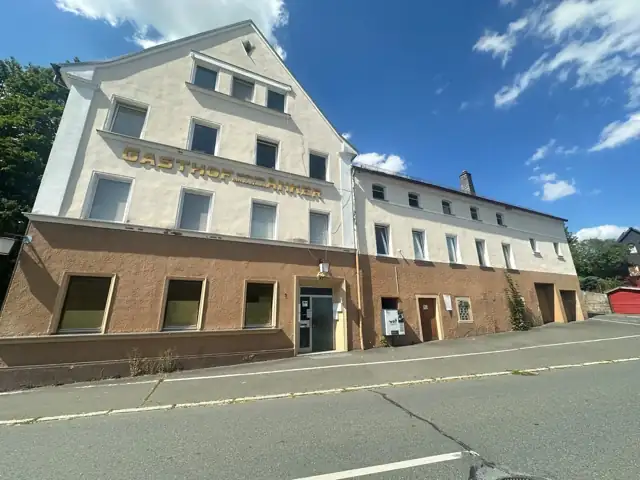
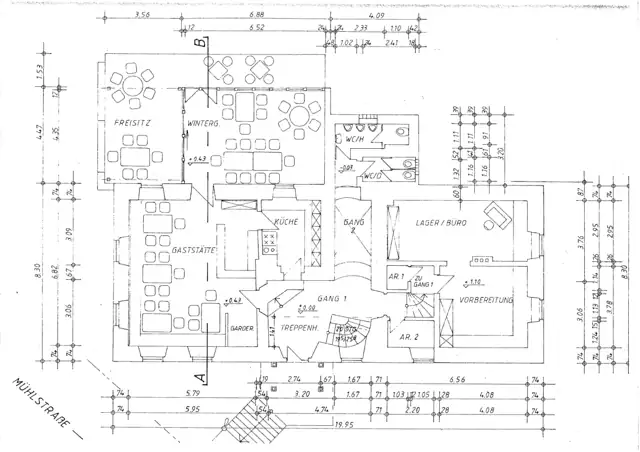 Commercial properties9.0% gross
€100,000Leased Restaurant Unit in Selb, Mühlstraße 9Selb · 149 m²
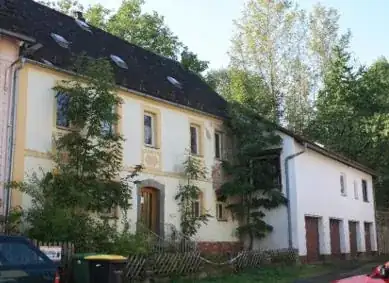
 Houses and buildings
€790,000Building Complex with Apartments and a Hall in KonradsreuthKonradsreuth · 1199 m² of plot
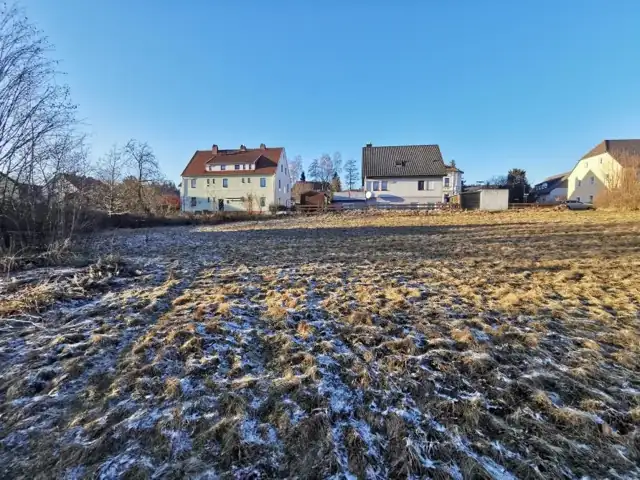
 Plots
€38,000Plot with Building Potential in Arzberg, Anger 10Arzberg · 352 m² of plot
 Plots
€61,940Building Plot in Schönwald, Parcel 80/32Schönwald · 652 m² of plot
Frequently asked questions
What people ask us About Bavaria
What is the transfer tax in Bavaria in 2026?
3.5% of the property price, the base rate in the federal real estate transfer tax act. Bavaria has kept this rate, as of November 2026. The tax is paid once, after signing at the notary and before registration in the land register.
Is real estate in Bavaria more expensive than the rest of Germany?
It depends where. Munich is the most expensive city in Germany, at 7,900 euros per sq m for a second-hand apartment in 2025. In the north of the state, in the city of Hof, the average was 1,700 euros per sq m, an especially accessible entry price. The average for all of Bavaria was 3,600 euros per sq m (Bavarian Ministry of Housing, 2026).
Where in Bavaria is the ongoing yield higher?
Usually in the north and east of the state, in Upper Franconia and the Upper Palatinate, where prices are low relative to rent. In a rough calculation, the gross yield in Hof is close to 5% and in Munich close to 3%. In Munich the lower yield comes with stability and value retention, and in the north with a higher monthly cash flow.
Is there rent control in Bavaria?
Yes, in the municipalities the state has declared as high-demand areas, including Munich. There the rent brake (Mietpreisbremse) applies: in a new contract the rent is limited to 10% above the usual local rent. Most small cities in the north are not on the list. Details are in the guide to the Mietpreisbremse.
Can an Israeli buy real estate in Bavaria?
Yes. Germany has no restriction on a foreigner buying a property. The purchase goes through a notary and is recorded in the land register (Grundbuch) like any German buyer's. Bank financing for a non-resident is possible, but requires higher own capital.
What is better for an Israeli investor: Munich or northern Bavaria?
Munich suits someone looking for value retention and long-term stability. Northern Bavaria suits someone looking for monthly cash flow and an accessible entry price, with a check of each property. There is no single answer, so we start with a conversation about the goal, not about the city.
Sources
- Bayerisches Staatsministerium für Wohnen, Bau und Verkehr: Immobilienmarktbericht Bayern 2026 (prices and transactions 2025, published 24.06.2026)
- Bayerisches Landesamt für Statistik: Einwohnerzahlen, 31.12.2025 (May 2026)
- Deutscher Bundestag, Drucksache 21/6248: asking rents in Bavaria according to BBSR (06/2026)
- German Federal Ministry of Justice: Real Estate Transfer Tax Act (in force 2026)
- Landeshauptstadt München: Wohnungsmarktbarometer 2025 (2025)
- BBSR: classification of municipalities by growth trend (2019–2024)
This is not investment, tax or legal advice. Every investment carries risk.

Intro call
Which Bavaria suits you?
We will go through your goal, capital and holding period with you, and see which one suits you: Munich, Nuremberg or northern Bavaria.
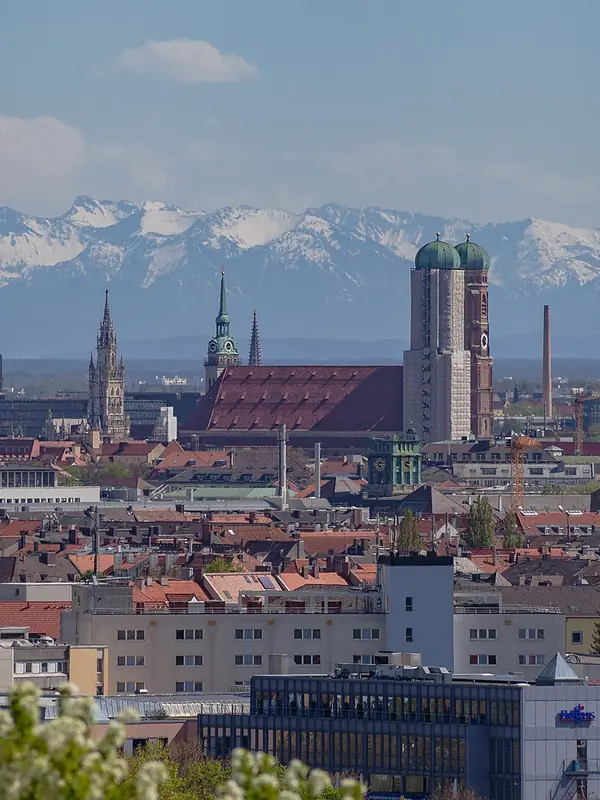
In the photo: Munich and the Alps, Bavaria